Classic strategy
Chess Online
Play chess online on GouziGouza and learn the essentials: piece movement, check, checkmate, opening principles, tactics, king safety, and practical beginner strategy.
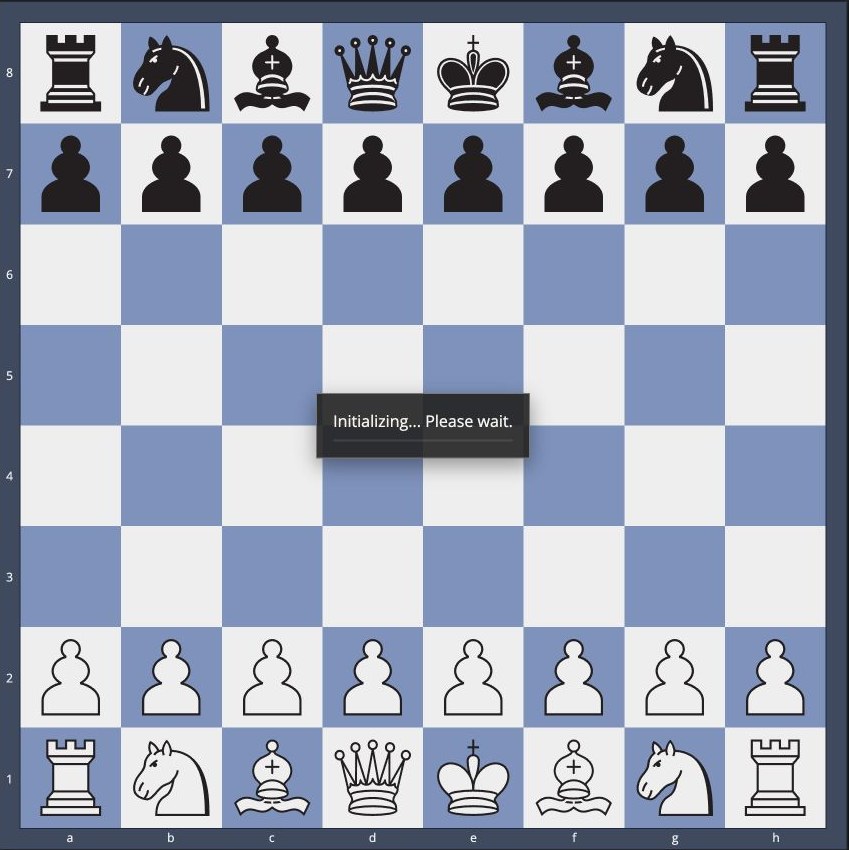
Chess Online on GouziGouza brings the classic strategy board game into your browser. The game uses the familiar eight-by-eight board, standard pieces, clocks, and a move list so you can follow the position as it develops. Whether you are practicing against the computer or playing a local game, the aim is the same: use your pieces together to attack, defend, and eventually checkmate the enemy king.
This page is a practical guide to chess basics and beginner strategy. It explains the goal of the game, how the pieces move, what check and checkmate mean, and which habits help new players improve. Chess is deep enough to study for a lifetime, but the first useful ideas are simple: control the center, develop pieces, keep the king safe, and watch for tactics.
Goal
The goal of chess is to checkmate the opposing king. A king is in check when it is attacked by an enemy piece. Checkmate occurs when the king is in check and there is no legal way to escape: the king cannot move to safety, the checking piece cannot be captured, and the attack cannot be blocked.
Because checkmate ends the game, king safety matters from the first moves. You can win material and still lose if your own king becomes exposed. Good chess balances attack with defense, and many strong moves do both at once.
How the Pieces Move
The king moves one square in any direction and can never move into check. The queen moves any number of squares along a rank, file, or diagonal, making it the most powerful attacking piece. Rooks move horizontally or vertically across open lines. Bishops move diagonally and stay on the same color of square for the whole game.
Knights move in an L-shape and can jump over other pieces, which makes them useful in crowded positions. Pawns move forward one square, with the option to move two squares from their starting rank if unobstructed. Pawns capture diagonally. When a pawn reaches the far side of the board, it promotes, usually to a queen.
Check, Checkmate, and Legal Moves
If your king is in check, you must respond to the check. You can move the king, capture the checking piece, or block the line of attack when blocking is possible. You cannot make a move that leaves your own king in check. This rule is the backbone of chess tactics because attacks on the king create forcing moves.
Not every game ends in checkmate. Chess can also end in a draw through stalemate, repetition, insufficient material, or agreement. For beginners, though, the most important skill is recognizing checks and learning how attacking pieces cooperate to remove every escape square.
Opening Principles
Beginners do not need to memorize long openings to play better chess. Start by controlling the center with pawns and pieces. Develop knights and bishops toward active squares. Castle when it improves king safety. Avoid bringing the queen out too early if it can be attacked repeatedly by smaller pieces.
A good opening gives your pieces jobs. Knights should influence central squares, bishops should find useful diagonals, rooks should eventually connect, and the king should not remain in the center forever. If a move develops a piece, protects the king, or fights for the center, it is often a reasonable candidate.
Strategy Tips
After the opening, look for imbalances. Who has safer king placement? Which pieces are active? Are there open files for rooks, weak pawns to attack, or squares that a knight can occupy? Chess strategy is the art of improving your position when there is no immediate tactic.
Tactics are short forcing sequences that win material or deliver mate. Common tactics include forks, pins, skewers, discovered attacks, and back-rank threats. Before making a move, check for forcing moves: checks, captures, and direct threats. Then do the same for your opponent. Many games are decided by a tactic that one player did not notice.
Piece coordination is more important than one flashy move. A lone queen attack is usually easy to defend. A coordinated attack with queen, rook, bishop, and knight is much harder to stop. Try to bring several pieces toward the part of the board where you want to play.
Common Mistakes
New players often move the same piece many times in the opening while the rest of the army stays asleep. Another mistake is grabbing pawns while ignoring king safety. Material matters, but a pawn is not worth it if the move lets your opponent attack with tempo.
A third common mistake is making a move without asking what the opponent wants. After every enemy move, identify the threat. Did a piece attack something? Did a line open toward your king? Did a tactic appear? This habit alone prevents many losses.
FAQ
What is checkmate?
Checkmate means the king is attacked and has no legal escape. The player delivering checkmate wins immediately.
What should beginners learn first?
Learn piece movement, check and checkmate, opening principles, and basic tactics such as forks and pins. These ideas improve play much faster than memorizing many opening lines.
Related Games
If you enjoy chess, GouziGouza also offers Tic Tackle for compact abstract strategy and the Royal Game of Ur for ancient dice-and-race tactics. FreeCell is another good choice for players who like visible-information planning.